Through the onUIEvent callback function, it is possible to track what the users are doing within Argyle Link. This provides a better understanding of users’ behavior and allows you to troubleshoot and optimize conversion rates.

Persistent properties

The onUIEvent is invoked when specific events are activated. These events are passed with a data object with persistent properties as follows:
  • linkItem (string) — Link Item ID.
  • accountId (string) — Account ID.
  • userId (string) — User ID.
  • deepLink (boolean) — Activates deep-linking. Can be true or false.

onUIEvent callback example:

{
    "name": "login - form submitted",
    "properties": {
        // Persistent:
        "linkItem": "kroger",
        "accountId": "e98d80cfecd94bbf96b11d58382b96ef",
        "userId": "e98d80cfecd94bbf96b11d58382b96ef",
        "deepLink": false,
    }
}

Event-specific properties

In addition to the persistent properties, events can have specific properties. Find below all the Link screens on which events can be triggered and their respective event-specific properties (if applicable):

onUIEvent callback example (with event-specific properties):

{
    "name": "error - opened",
    "properties": {
        // Persistent:
        "linkItem": "croger",
        "accountId": "e98d80cfecd94bbf96b11d58382b96ef",
        "userId": "e98d80cfecd94bbf96b11d58382b96ef",
        "deepLink": false,
        // Event specific:
        "errorType": "invalid_link_items"
    }
}

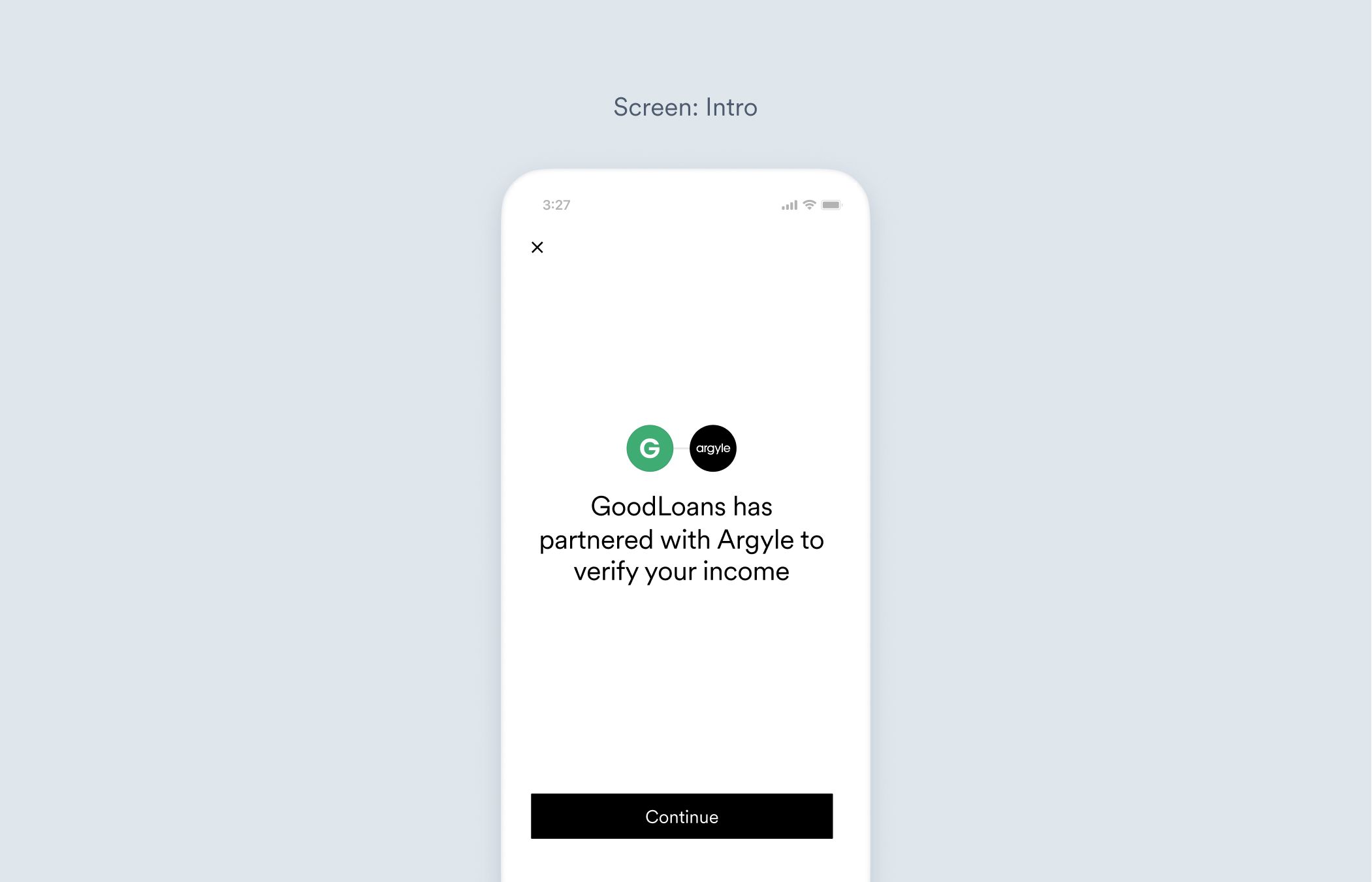
Intro screen

Argyle Link's introduction screen.
Event nameEvent descriptionEvent-specific properties
intro - openedThe user opened the Intro screen.N/A

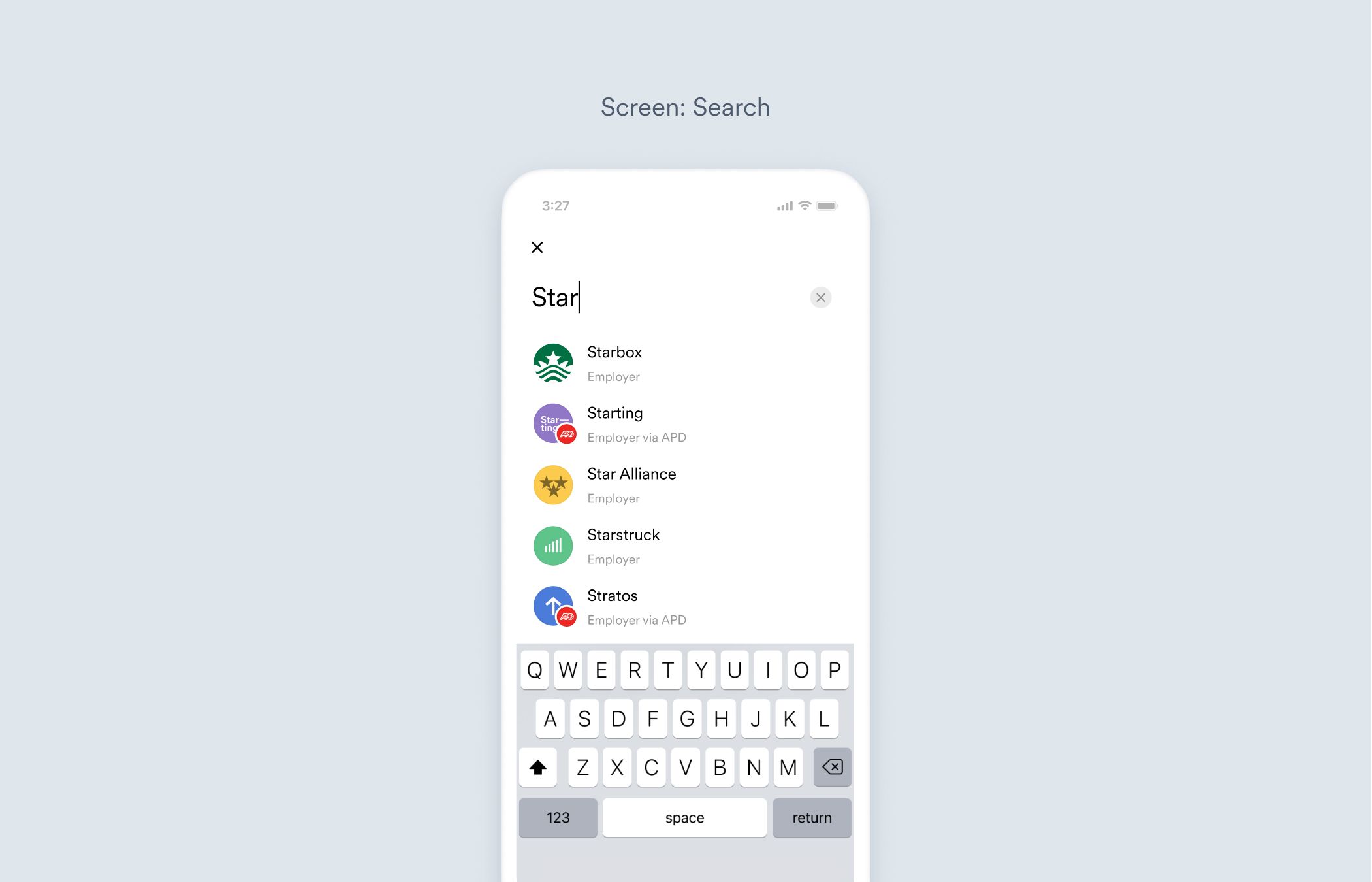
Search screen

Argyle Link's search screen.
Event nameEvent descriptionEvent-specific properties
intro - openedThe user opened the Intro screen.N/A
search - term updatedThe user typed in the search term for a link item in the Search screen.term, tab
search - link item selectedThe user selected a Link item in the Search screen.term, tab
  • term (string) — The text entered in the search field.
  • tab (string) — The tab that the user has opened when entering text in the search field. This is ignored for an empty term, so if a user deletes the search term, the event callback will not be started. Possible values: All, Employer, Gig, Payroll.

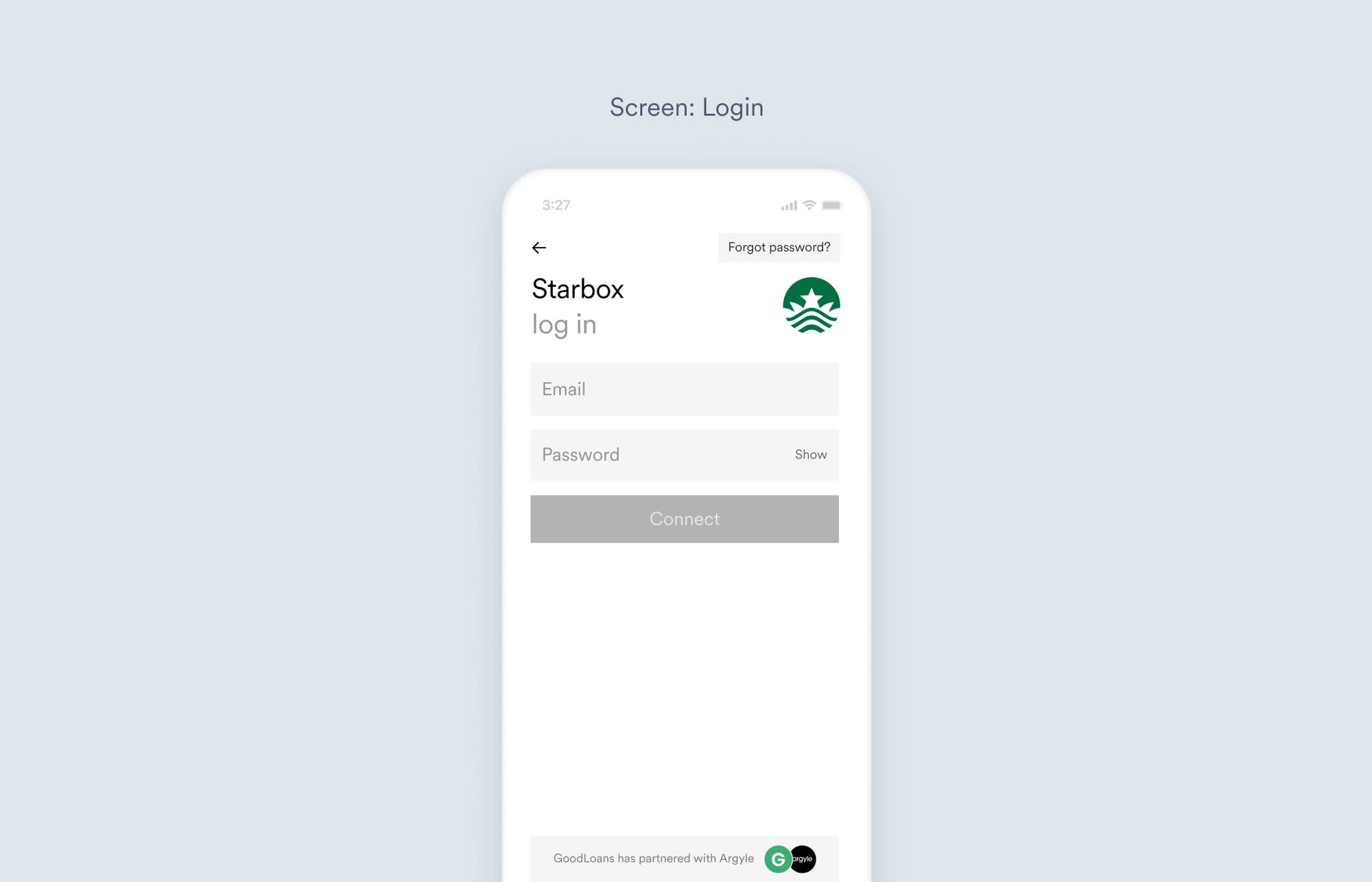
Login screen

Argyle Link's login screen.
Event nameEvent descriptionEvent-specific properties
login - openedThe user opened the Login screen.errorCode, errorMessage
login - form submittedThe user submitted the Login form.N/A
login - reset password clickedThe user clicked the “Reset password” link.N/A
  • errorCode (string) — The error code received while opening the Login screen. Possible values: see accounts.connection.error_code.
  • errorMessage (string) — The error message received while opening the Login screen.

MFA screen
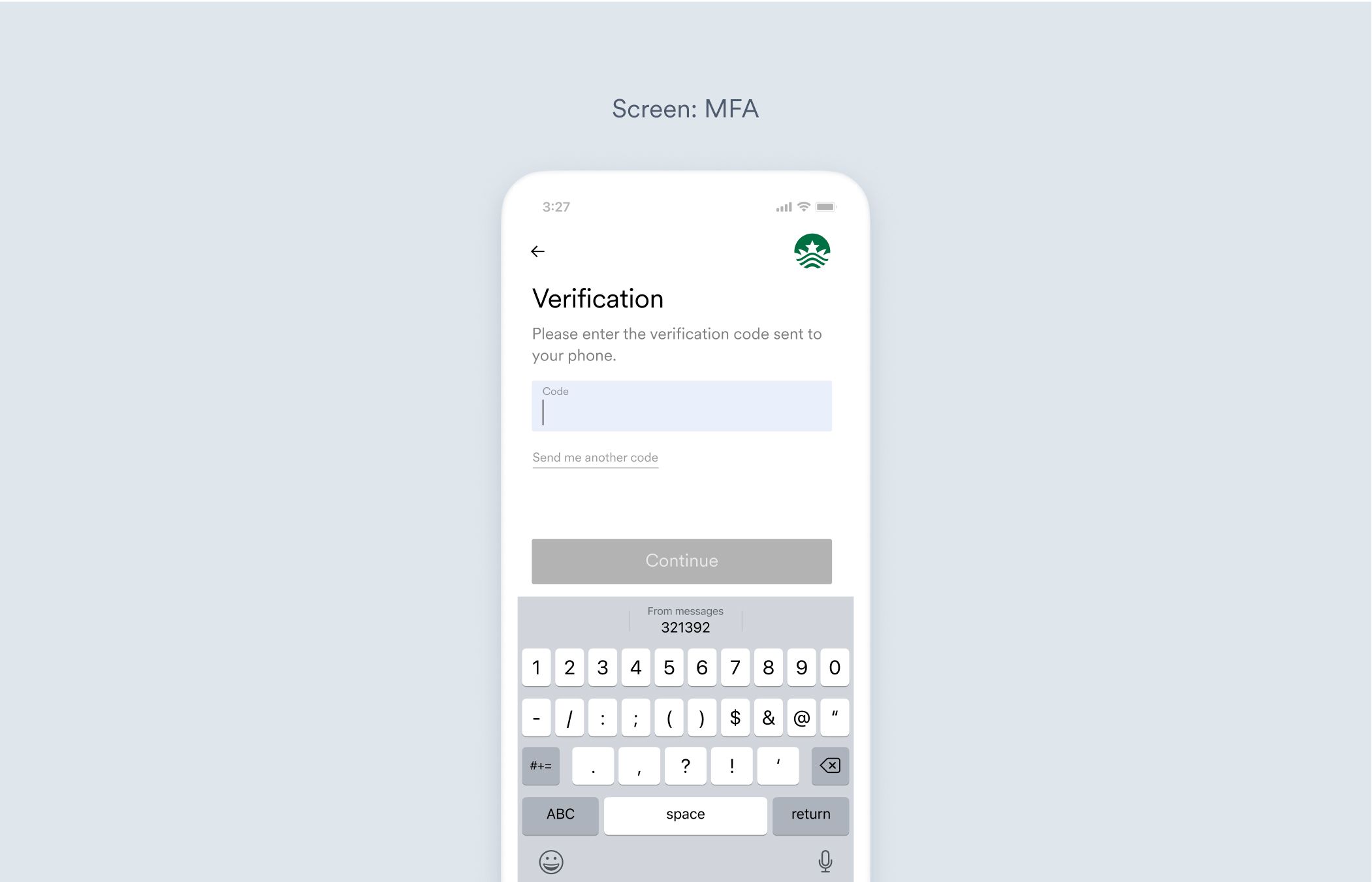
Argyle Link's MFA screen.
Event nameEvent descriptionEvent-specific properties
mfa - openedThe user was presented with Multi-Factor Authentication (MFA) screen.type, mfaType
  • type (string) — Denotes whether the user was in the Login screen or Direct deposit opened screen when an MFA screen was shown to the user. Possible values: Login, PDF Review.
  • mfaType (string) — Denotes the type of multi-factor authentication (MFA) method that was required of the user. Possible values: sms_code, email_code, secret_question, email_link_confirmation, otp_code, email_message_conformation.

Success screen
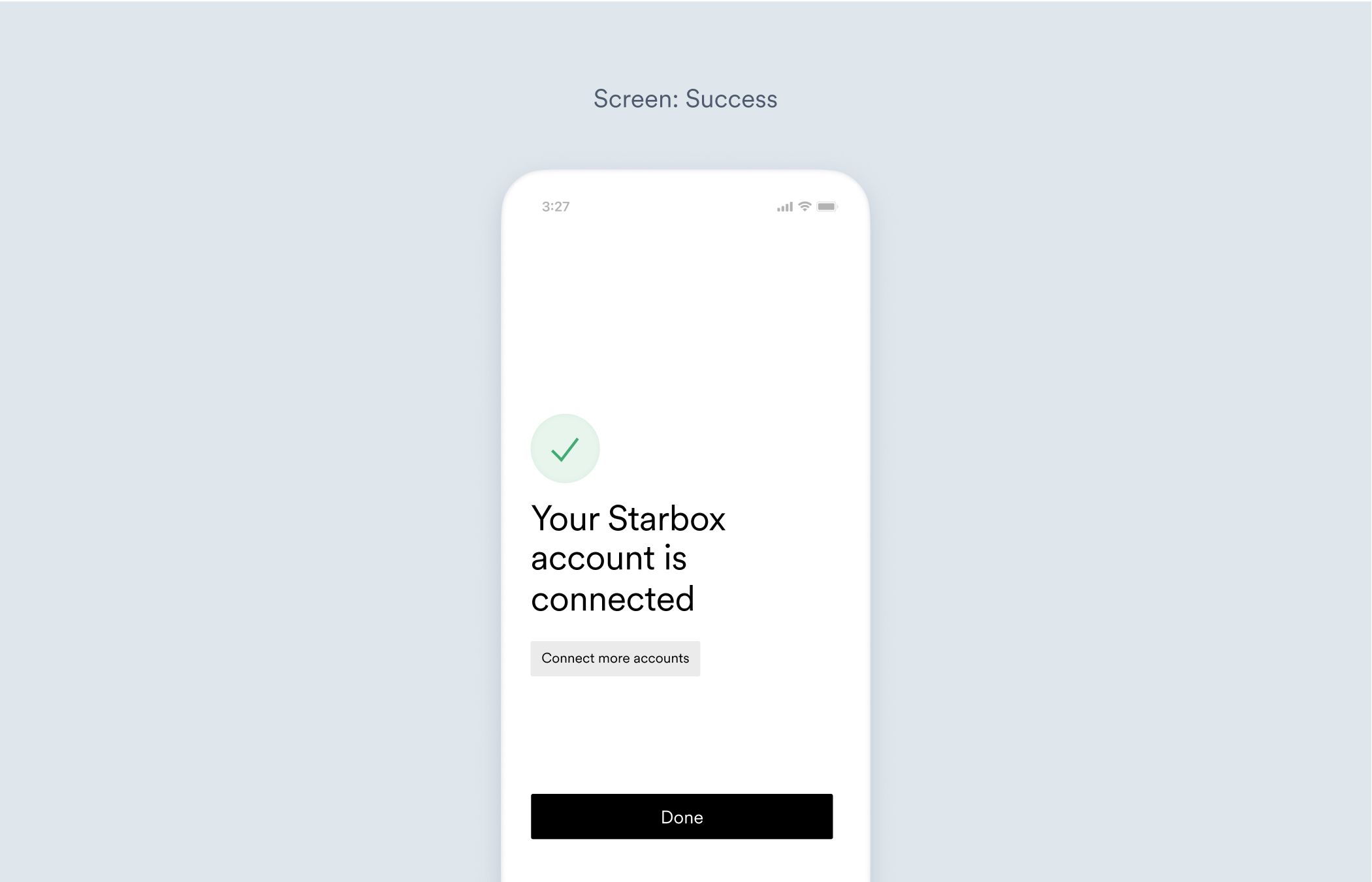
Argyle Link's Success screen.
Event nameEvent descriptionEvent-specific properties
success - openedThe user opened the Success screen after the account was successfully connected.N/A

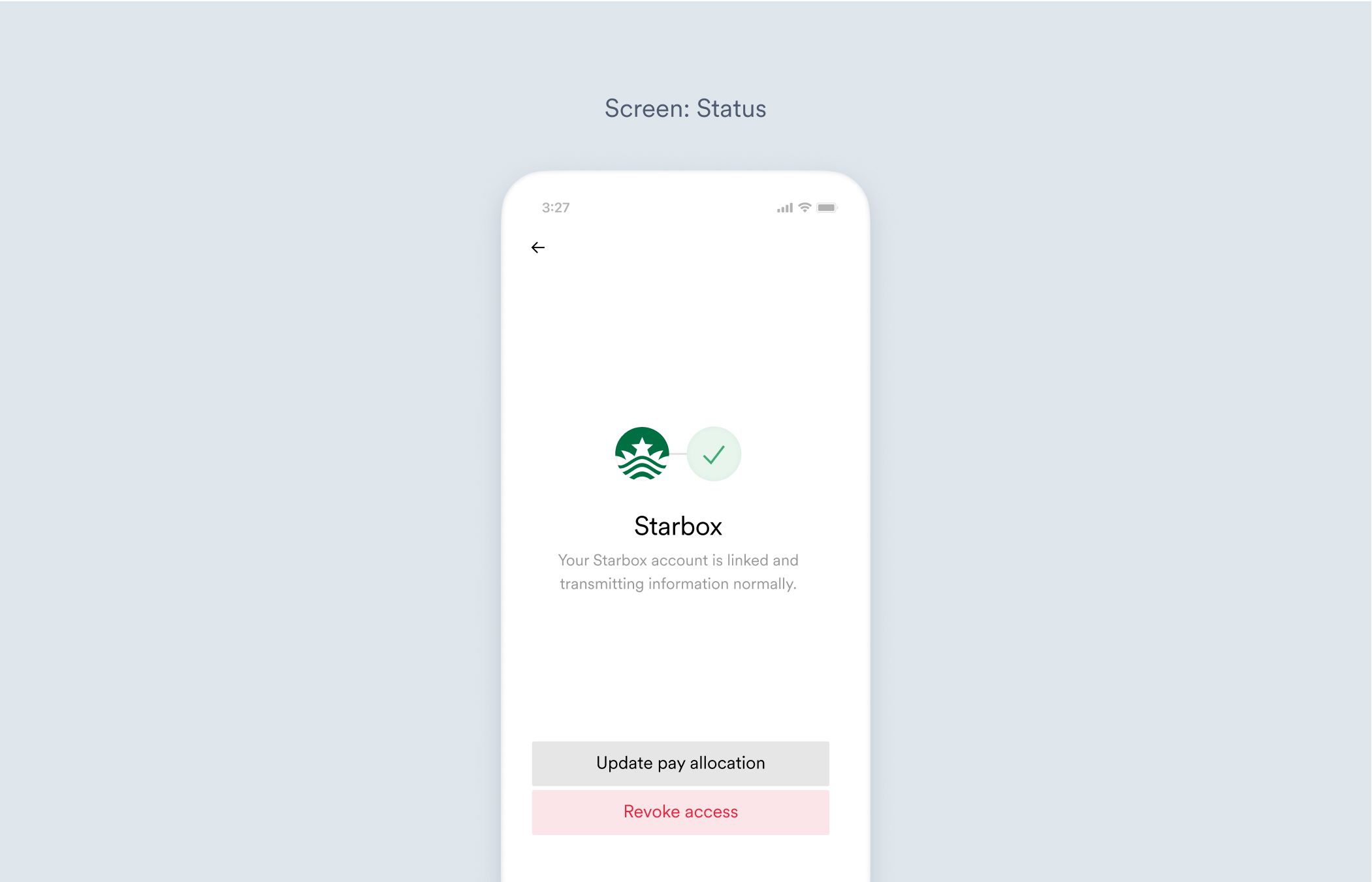
Account Status screen

Argyle Link's Status screen.
Event nameEvent descriptionEvent-specific properties
account status - openedThe user opened the Account Status screen.N/A
account status - disconnectedThe user disconnected their employment account.N/A

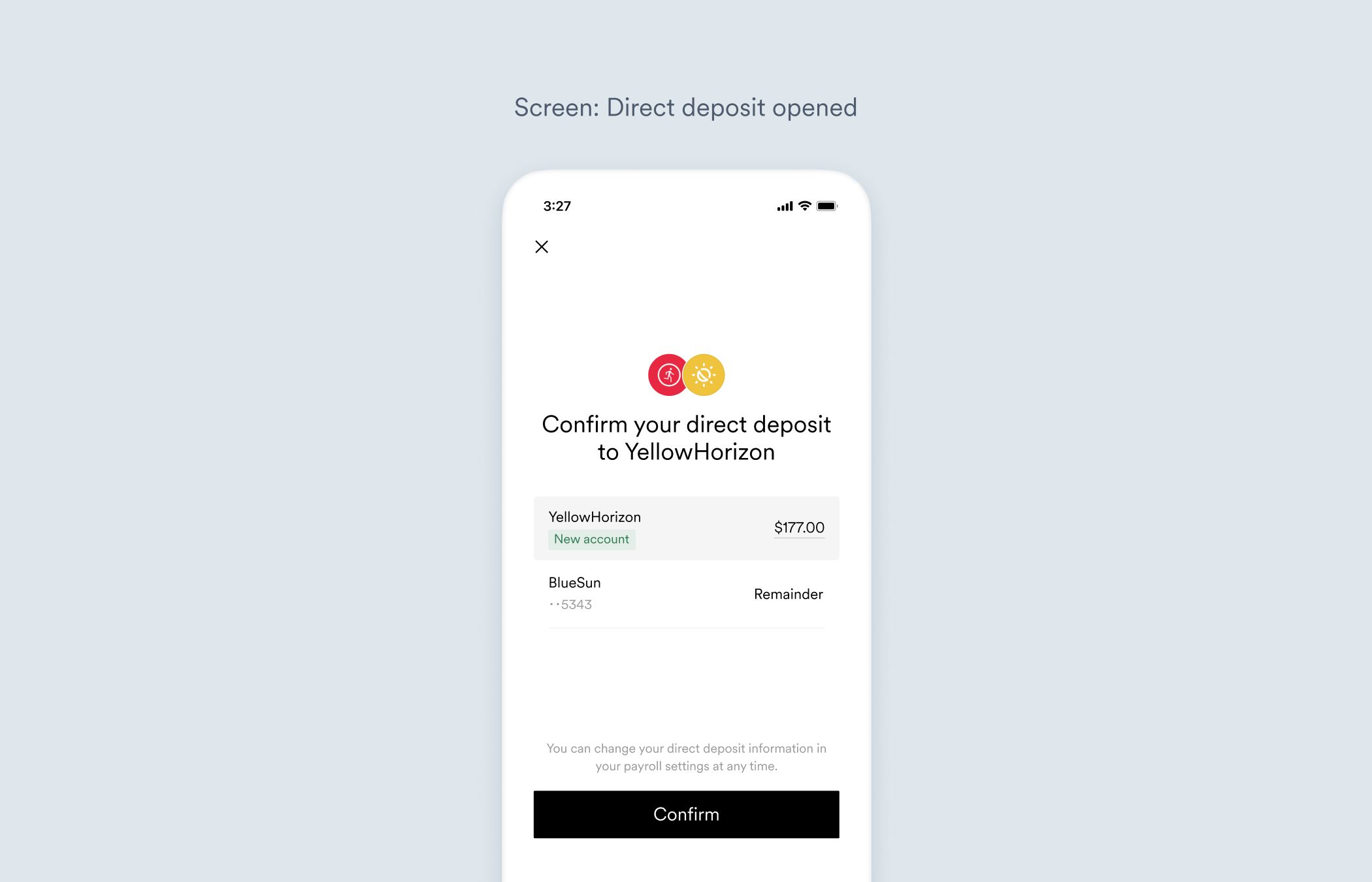
Direct deposit opened screen

Argyle Link's Direct Deposit Opened screen.
Event nameEvent descriptionEvent-specific properties
dds settings - openedThe user opened the Direct deposit settings screen.allocationType
  • allocationType (string) — Denotes which pay allocation type was shown when the user opened the Direct deposit settings screen. Possible values: percent, amount, none.

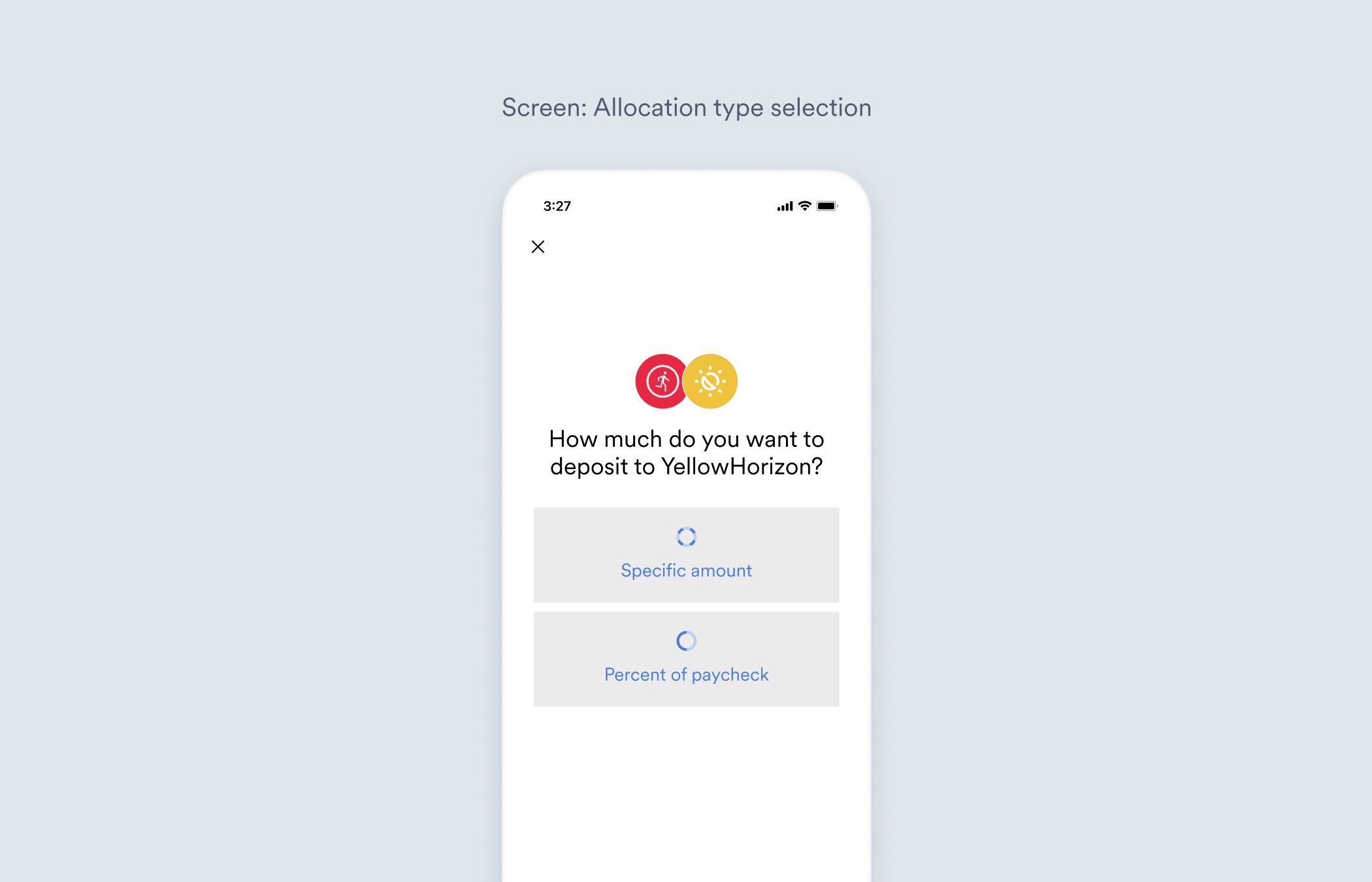
Allocation type selection screen

Argyle Link's Allocation type selection screen.
Event nameEvent descriptionEvent-specific properties
allocation type selection - openedThe user opened the Allocation type selection screen.N/A

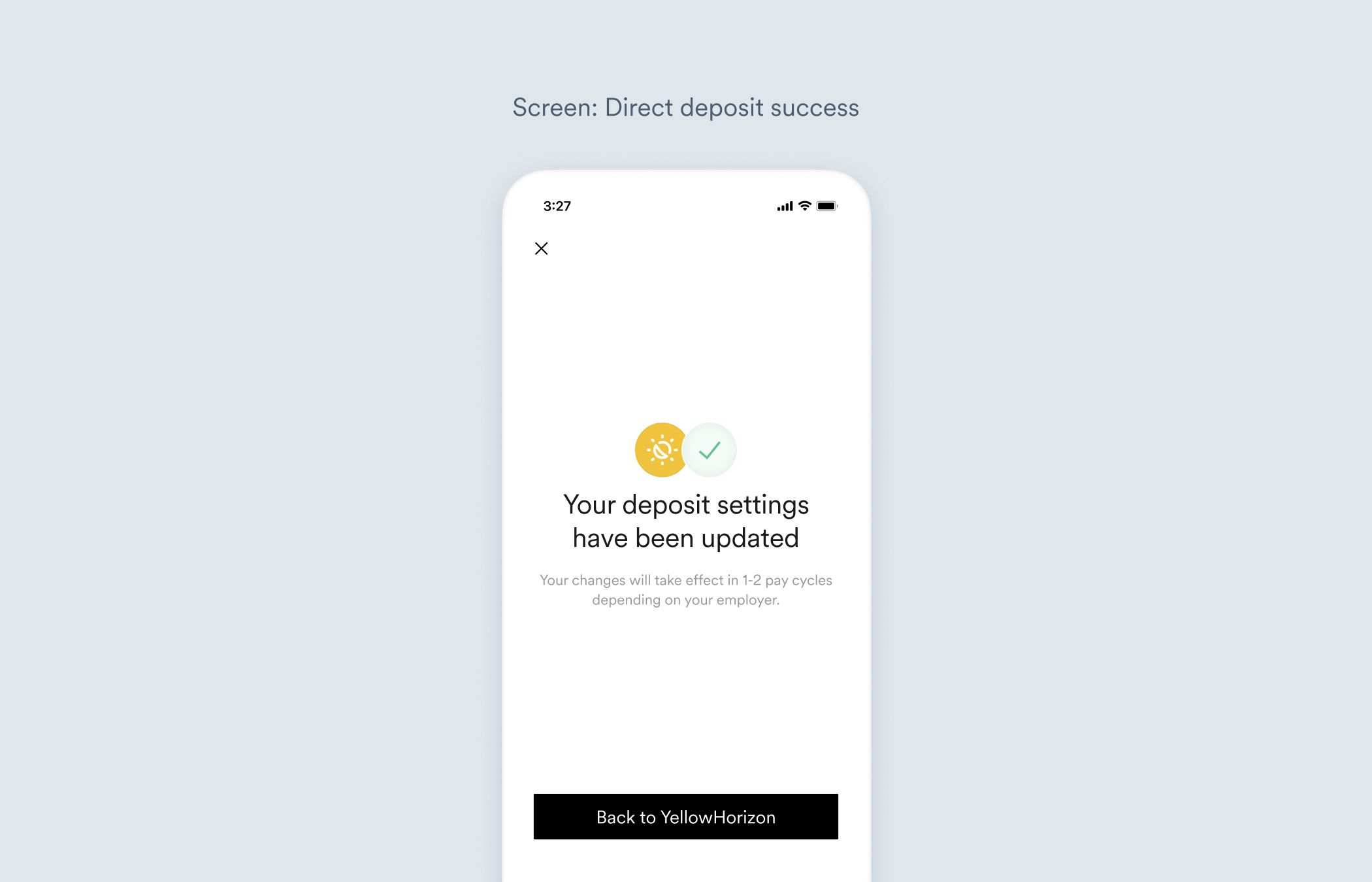
Direct deposit success screen

Argyle Link's Direct deposit success screen.
Event nameEvent descriptionEvent-specific properties
dds success - openedThe user opened the Direct deposit success screen after their direct deposit was successfully updated.N/A

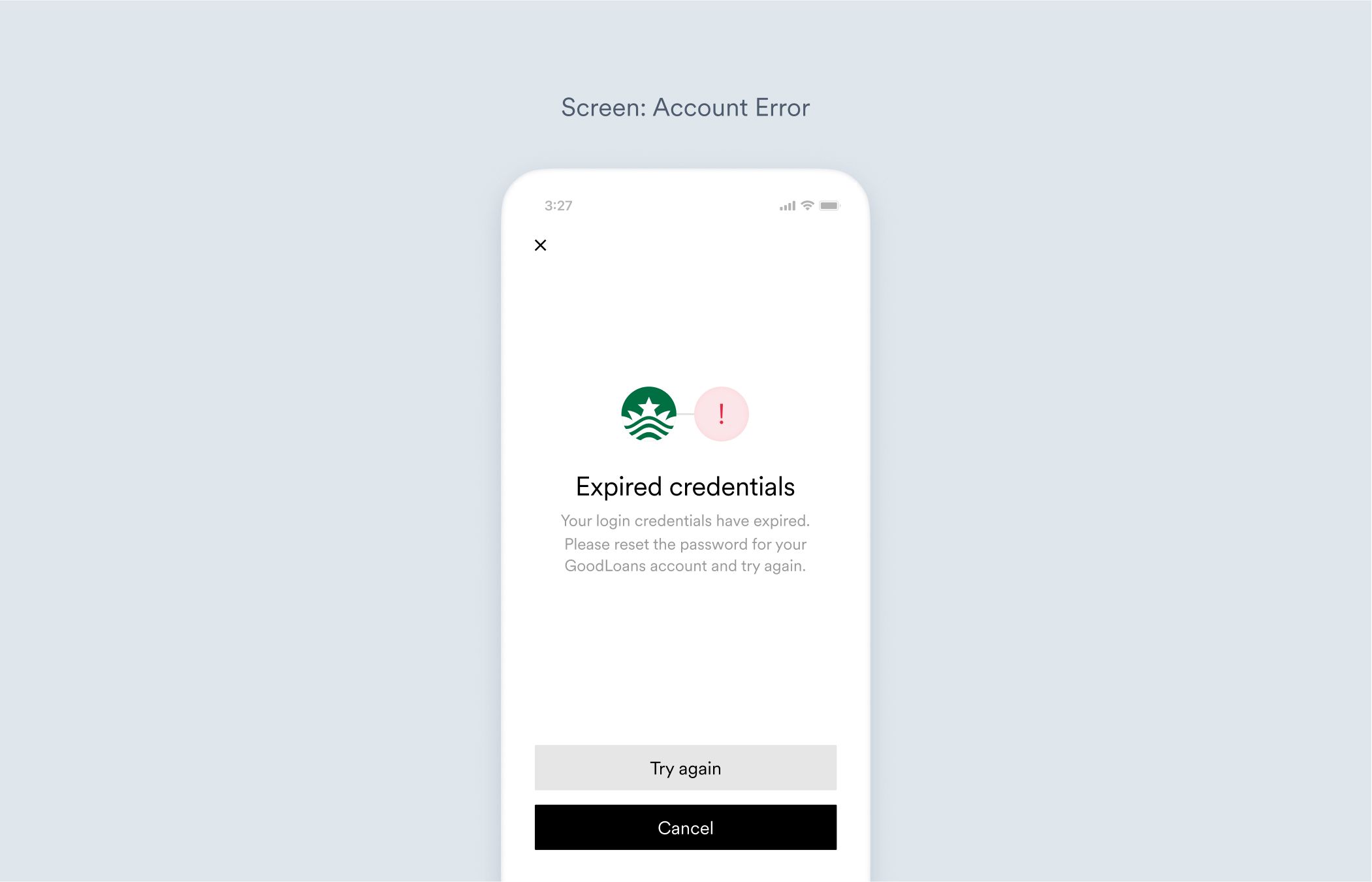
Account Error Screen

Argyle Link's Account Error screen.
Event nameEvent descriptionEvent-specific properties
account error - openedThe user received an error while connecting an account.connectionStatus, connectionErrorCode, payDistributionStatus, payDistributionErrorCode
  • connectionStatus (string) — Represents the status of the link between Argyle and the work platform. Possible values: see accounts.connection.status.
  • connectionErrorCode (string) — Provides information on why the connection failed when connection.status is error. Possible values: see accounts.connection.error_code.
  • payDistributionStatus (string) — Denotes the point in the process of the direct deposit update. Possible values: see accounts.pay_distribution.status.
  • payDistributionCode (string) — Provides information on why the direct deposit update was unsuccessful when pay_distribution.status is error. Possible values: see accounts.pay_distribution.error_code.

Error screen
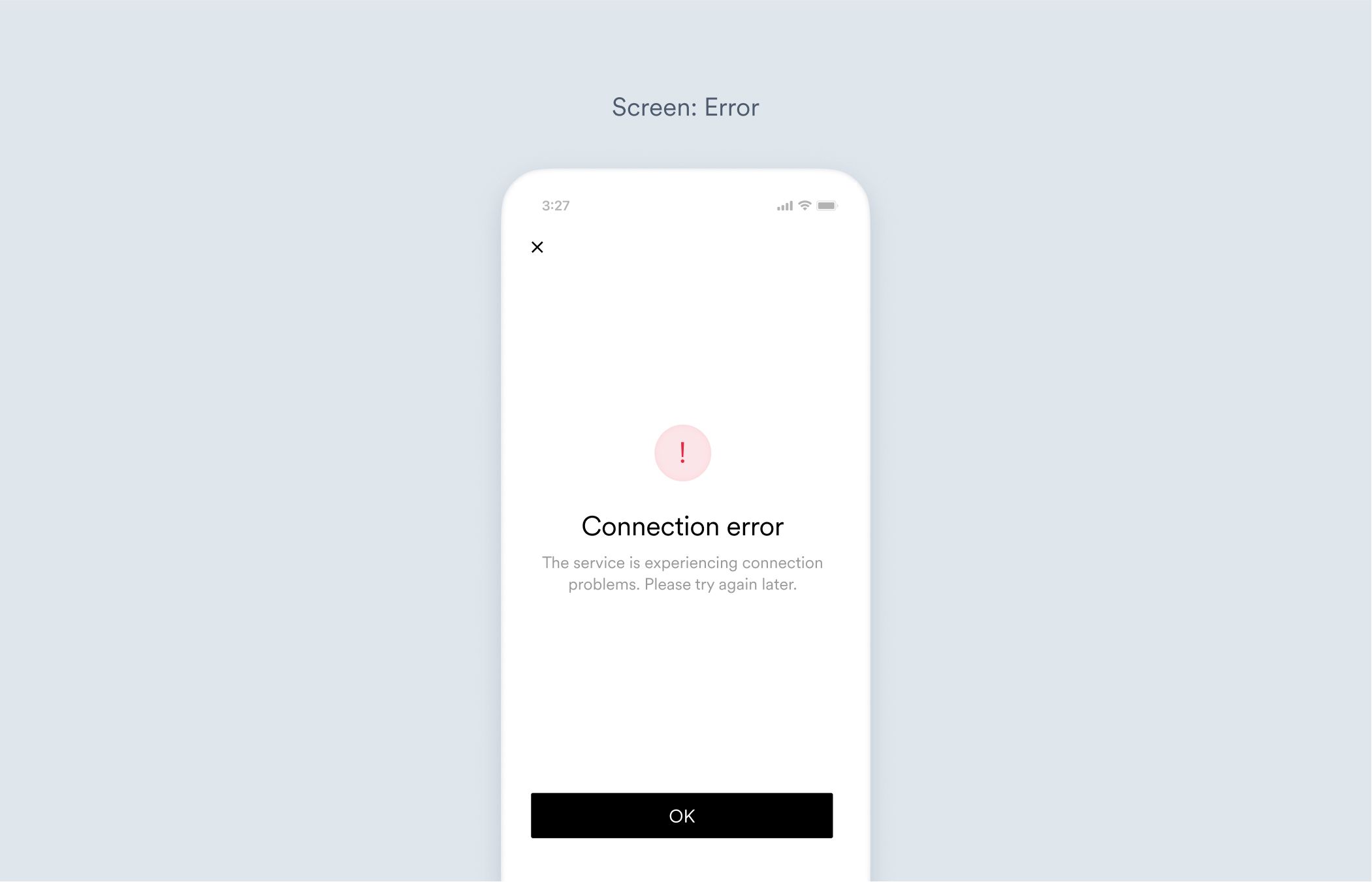
Argyle Link's Error screen.
Event nameEvent descriptionEvent-specific properties
error - openedThe user received an error while opening Link.errorType
  • errorType (string) — The type of error received while opening Link. Possible values: generic, invalid_link_items, invalid_pd_config, invalid_link_key, invalid_user_token.

Multiple screens

The event below happens on several screens:
Event nameEvent descriptionEvent-specific properties
link closedUser closed Link.N/A